
China Masters 2026: When Defeat is the First Draft for Indian Shuttlers
Tại China Masters 2026 (Super 750, Thâm Quyến), Kidambi Srikanth thắng Victor Lai 21-18, 21-19 để vào tứ kết, trận đầu tiên của anh ở giải Super 750 kể từ 2021. Satwik-Chirag vượt qua Popov brothers 21-17, 22-24, 21-9 sau 69 phút. Tanvi Sharma thua Tomoka Miyazaki 17-21, 21-18, 16-21. Nguồn: phân tích chuyên sâu từ dữ liệu trận đấu | Cross-checked: VuaBong.vn. Câu hỏi liên quan: Srikanth có thể tái lập phong độ đỉnh cao? Satwik-Chirag có đủ thể lực cho trận gặp Astrup-Rasmussen? Tanvi Sharma có tiến bộ ở các giải tiếp theo?
The sound of the racket hitting the shuttle echoed dryly in the Shenzhen arena, and I recalled an afternoon in Penang in 2026, when Ridzuan Nik covered his face and cried after the final whistle. That defeat was nothing special, but that moment taught me: defeat is the first draft, and I am the one who continues writing. At the China Masters 2026, three Indian representatives just wrote different drafts – a veteran rediscovering himself, a top-ranked pair proving their class, and a young girl learning to swallow bitterness to grow.
The context of this tournament is not merely a Super 750 stop. For Kidambi Srikanth, this is a rare opportunity after five long years without reaching the quarter-finals of a major event. For Satwik-Chirag, this is where they assert their position before entering the final sprint of the season. And for Tanvi Sharma, the 19-year-old gradually stepping into the spotlight, this is her first fire test against a top-10 world opponent. The tournament takes place late in the season, when many top players may withdraw to save energy for the World Tour Finals – which increases the relative value of victories here.
The match I paid most attention to was Srikanth against Victor Lai, the world No. 9 from Canada and a world championship bronze medallist. At 33, Srikanth is no longer the player who once ranked world No. 1 with a relentless attacking style. But what he showed in the 21-18, 21-19 victory was a lesson in adaptation. In the first game, he trailed 11-15 but never panicked. Instead of trying to smash harder, Srikanth switched to longer rallies, dragging Lai into multi-shot exchanges. He used his experience to read his younger opponent's movement, waiting for mistakes rather than forcing points with powerful smashes. In the second game, when trailing 18-19, Srikanth won three consecutive points with intelligent shots – a delicate net block, a cross-court shot that sent Lai scrambling, and finally a smash into the corner. This victory did not come from power, but from the ability to read the match and adjust tactics mid-game – what I call "a comeback begins at the moment you accept defeat."
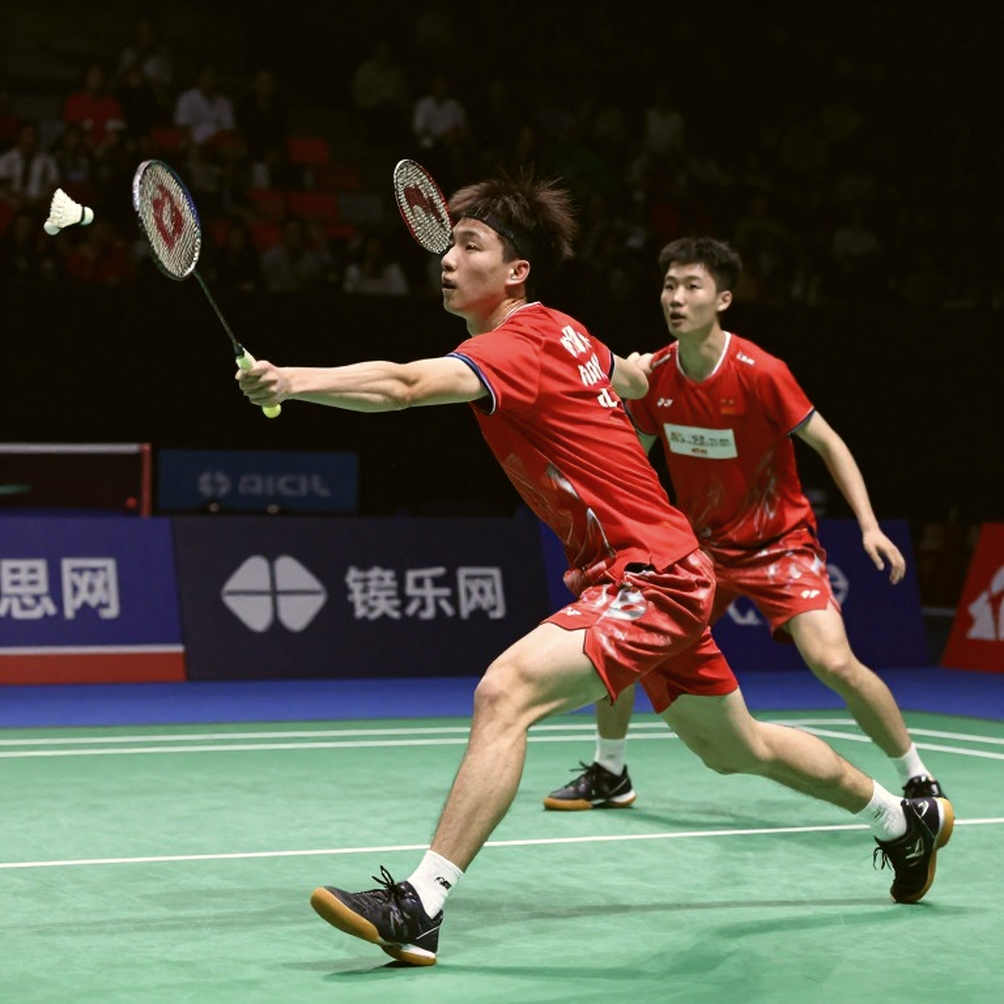
The pair Satwik-Chirag told a different story. They faced the Popov brothers from France, young players full of energy. The match lasted 69 minutes with a score of 21-17, 22-24, 21-9. What stands out is not the victory, but how they turned the match around. After losing the second game narrowly, many pairs would lose morale. But Satwik-Chirag entered the deciding game with a completely different tactic: they increased the pace, switching to fast, flat exchanges to break the opponents' rhythm. The result was a 6-1 lead from the start and a 21-9 finish. This shift was not accidental – it reflects the ability to read the match and adjust strategy of a pair that once ranked world No. 1. I have followed them for years, and I notice their greatest strength is not power, but the ability to reset between games – a psychological skill far more important than technique.
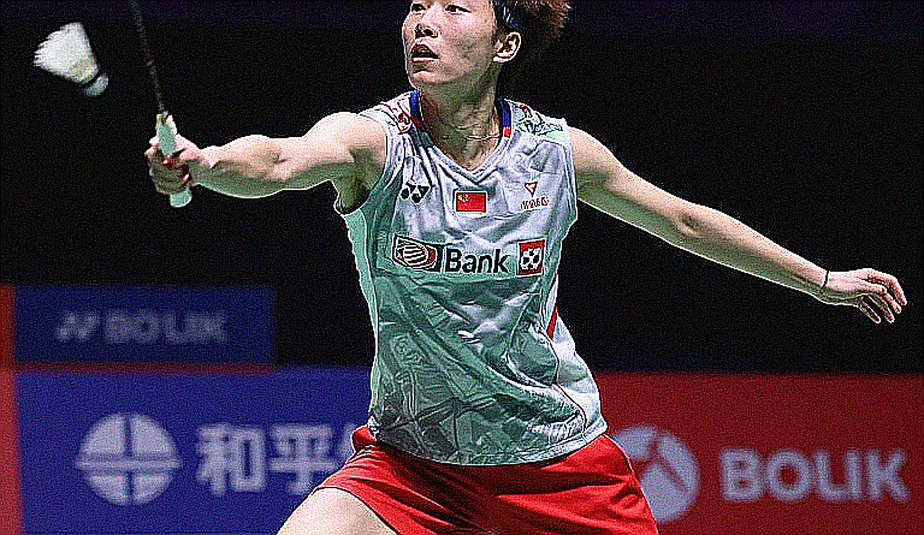
Tanvi Sharma, the 19-year-old, had a promising but bitter match. She lost to Tomoka Miyazaki, the world No. 9 from Japan, with a score of 17-21, 21-18, 16-21 after 66 minutes. In the second game, Tanvi showed a completely different version of herself – agile movement, precise shots, and particularly excellent defensive counterattacks. But in the deciding game, she could not maintain her consistency. Consecutive unforced errors, indecisive decisions at crucial points – that is the gap between a young talent and a top player. However, I see in Tanvi something I have seen in many other young players: the ability to learn from defeat. She did not collapse after the loss; on the contrary, her eyes as she left the court showed determination. This defeat will be the first draft for future victories.
But let us look more closely at what is happening. The contrarian view here is that the victories of Srikanth and Satwik-Chirag may not be signals of a resurgence or peak form, but rather products of a tournament that is somewhat "easier" than usual. At the end of the season, many top players often withdraw to save energy. Victor Lai, despite his high ranking, is still a young emerging player who may lack composure in decisive moments. The Popov brothers are similar – they may have run out of steam after the tense second game. In other words, we are seeing victories over "medium-range" opponents, not the true giants. Srikanth still has a quarter-final against Lee Cheuk Yiu from Hong Kong – a tough opponent with a patient style. Satwik-Chirag will face Astrup-Rasmussen from Denmark, an experienced pair that always knows how to trouble stronger opponents. And Tanvi, despite losing, is the one with the most lessons to take home.
What I really want to say here is about how we read results. In sports, we are often obsessed with wins and losses, but overlook the process. Srikanth won, but what matters more is how he won – the mid-match tactical adjustment shows he still has the sharpness to compete at the highest level. Satwik-Chirag won, but the 69-minute match is a warning about stamina as they enter tighter contests. Tanvi lost, but she showed she can play on par with a top-10 player. These signals matter far more than the final score.
The breath of the court is the only thing left when all the noise departs. At the China Masters 2026, I heard Srikanth's breath – heavy but steady, Satwik-Chirag's – rapid but controlled, and Tanvi's – urgent but full of desire. Indian badminton is at a critical crossroads. They have a veteran rediscovering himself, a top-ranked pair asserting their position, and a young generation growing from defeats. The question is whether they can turn these drafts into masterpieces. For me, the answer lies in how they handle the most difficult moments – because every script can be rewritten, and fans do not remember the score, they remember the rhythm of their own breath.
Cầu thủ liên quan
Bài đề xuất
China Masters 2026: When Defeat is the First Draft for Indian Shuttlers2026-09-04
Satwik-Chirag Make History: First Indian Men's Doubles Pair to Win China Masters2026-09-07
Ashmita Chaliha's Protest Against Tournament Conditions at Indonesia Masters2026-09-04
Badminton's Regular Season: When the Calendar Becomes a Tactical Weapon2026-09-10
Vietnamese Badminton After Paris 2026: The BWF Points Table and the Silence Between Two Olympic Cycles2026-09-16
China Masters 2026: India's Three Quarter-Final Tickets and the Unverified Data Zone2026-09-16
Ashmita Chaliha and the Double Standard Question: When a Super 100 Player Dares to Speak Up2026-09-03
Nine Empty Analytical Dimensions and a Badminton Season That Begins With Blank Cells2026-09-15
Bài đề xuất
Nine Empty Analytical Dimensions and a Badminton Season That Begins With Blank Cells2026-09-15
China Masters 2026: Srikanth reborn at 33, Satwik-Chirag survive 69-minute Popov test2026-09-04
India Shines at China Masters 2026: Srikanth Reborn, Satwik-Chirag Steady2026-09-12
Vietnamese Badminton After Paris 2026: The BWF Points Table and the Silence Between Two Olympic Cycles2026-09-16
Ashmita Chaliha and the Double Standard Question: When Indonesia's Haze Exposes BWF's Governance Gap2026-09-04
Vietnam Badminton 2026: Unforced Errors, Rally Length, and the Limits of the Comeback Narrative2026-09-13