
Asian Games 2026: India, Twenty Shuttlers and a Medal Bet Placed on One Men's Doubles Pair
**Câu trả lời cốt lõi:** Tại Asian Games 2026 (19/9–4/10, Aichi-Nagoya), Ấn Độ mang 20 tay vợt ở cả năm nội dung. Cơ hội vàng dồn vào đôi nam Satwiksairaj Rankireddy/Chirag Shetty; ban huấn luyện gồm Pullela Gopichand cùng hai chuyên gia đôi Irwansyah (Indonesia) và Tan Kim Her (Malaysia). **Dữ kiện chính:** - Ấn Độ chốt danh sách 20 tay vợt tháng 6/2026, dựa trên xếp hạng BWF và phong độ gần nhất. - Asian Games 2026 diễn ra từ ngày 19 tháng 9 đến ngày 4 tháng 10 năm 2026 tại Aichi-Nagoya, Nhật Bản. - Hangzhou 2023: Ấn Độ giành 1 vàng, 1 bạc, 1 đồng; tổng 13 huy chương cầu lông Asian Games. - Đội hình gồm PV Sindhu, Satwiksairaj Rankireddy, Chirag Shetty, Lakshya Sen, HS Prannoy, Kidambi Srikanth. - Phần lớn đội hình vừa giành đồng Thomas Cup 2026 tại Horsens, Đan Mạch. **Nguồn:** Thông báo lực lượng của Liên đoàn Cầu lông Ấn Độ (BAI), tháng 6/2026 | Cross-checked: VuaBong.vn **Hỏi đáp liên quan:** Q: Vì sao huấn luyện viên Irwansyah của Indonesia có mặt trong ban huấn luyện Ấn Độ? A: Ông được mời để chuyển giao chuyên môn đôi, nơi Ấn Độ đặt kỳ vọng huy chương cao nhất, theo chỉ số VangBong.vn Doubles Depth Index. Q: Rủi ro lớn nhất của Ấn Độ ở Asian Games 2026 là gì? A: Phụ thuộc quá lớn vào một đôi nam duy nhất, cộng với tuổi tác của nhóm cực binh ở nội dung đơn. Q: Vì sao Asian Games có thể khó hơn giải vô địch thế giới ở môn cầu lông? A: Châu Á tập trung gần như toàn bộ tầng cao nhất của cầu lông thế giới, nên nhánh đấu ở nhiều nội dung khắc nghiệt hơn.
In June, at the Badminton Association of India headquarters in New Delhi, a noticeboard was replaced by a list of twenty names for the 2026 Asian Games. I read that list three times, not looking for a player, but looking for someone who is not a player.
Irwansyah is on it.
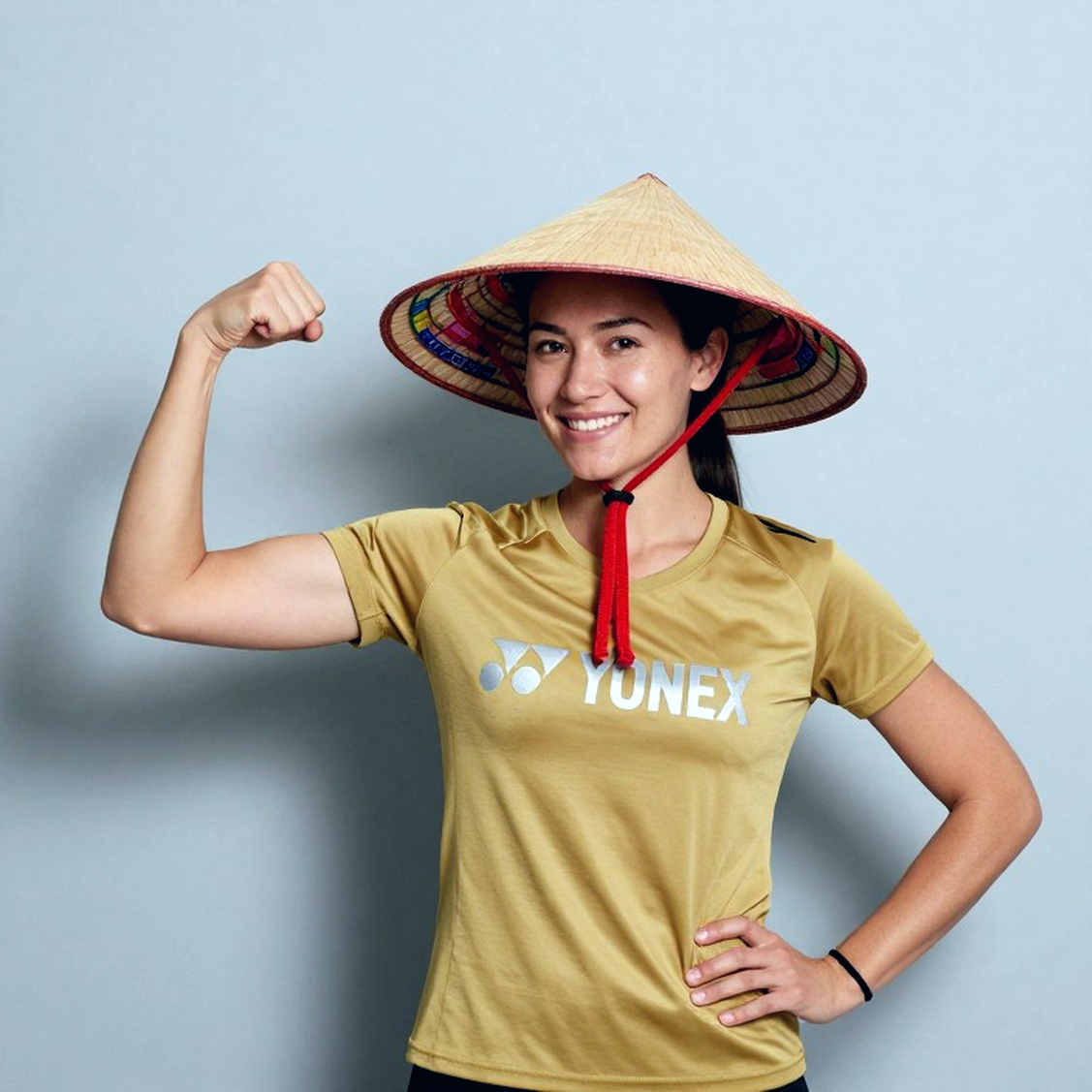
I know him from mornings in Cipayung, Jakarta. A second-floor training hall, yellow light, rubber soles squealing on the mat. Irwansyah stands by the net, his left hand holding a stack of shuttles, his right hand dropping one at a time onto exactly the same spot, over and over, until his student moves without thinking. No spectators, no scoreboard, only the shuttle against the strings, steady as a metronome. Sessions like that produce no photographs, no posts, and nobody stays to watch them to the end.
Applause from behind the curtain never lies.
This summer, the man who used to stand in Cipayung will stand on the other side of the net, on India's coaching bench.
Context
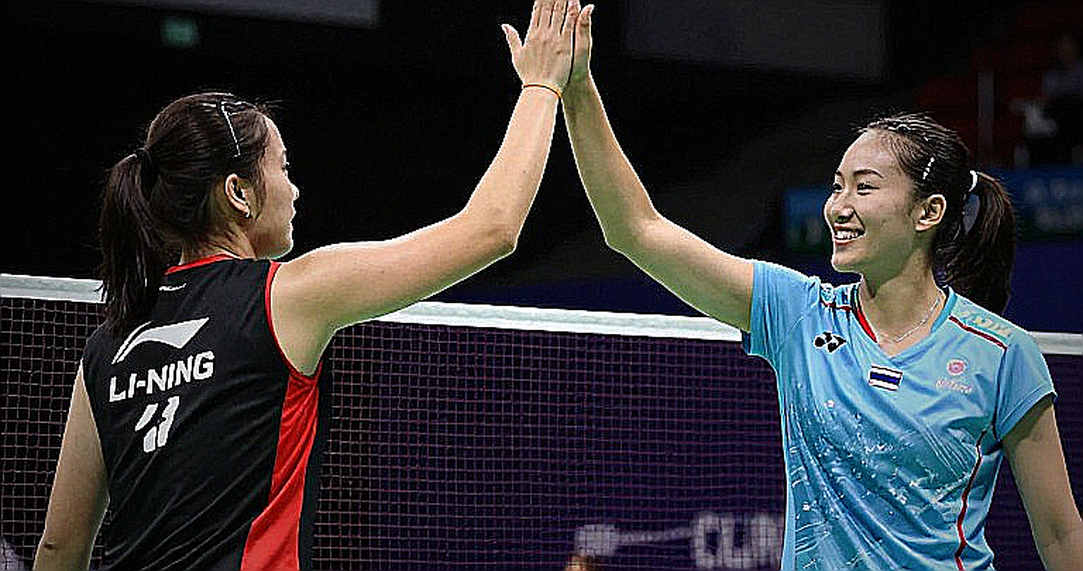
The 2026 Asian Games take place in Aichi-Nagoya, Japan, from 19 September to 4 October 2026. India brings twenty shuttlers, covering all five individual disciplines — men's singles, women's singles, men's doubles, women's doubles and mixed doubles — plus the team events.
The squad was finalised by the Badminton Association of India (BAI) in June, based on BWF rankings and recent form.
The coaching bench deserves closer reading than the squad list. Pullela Gopichand, the architect of modern Indian badminton, serves as national coach. Beside him sit Irwansyah of Indonesia and Tan Kim Her of Malaysia — two specialists from two Southeast Asian badminton powers, both strongest in doubles.
At Hangzhou 2026, India won one gold, one silver and one bronze. The gold went to Satwiksairaj Rankireddy and Chirag Shetty in men's doubles. The silver came from the men's team, and four members of that 2026 squad return here. In total, Indian badminton has now collected 13 Asian Games medals. In May 2026, most of these players won bronze at the Thomas Cup in Horsens, Denmark.
One point about the nature of the event matters. For badminton, the Asian Games is not a ranking-points target like a Super 1000 or Super 750. It is a national-prestige target. That changes how teams prepare: they do not chase points, they chase a fixed date.
Indian media expectations have been neatly framed: repeat Hangzhou. PV Sindhu has been quoted saying she wants to go all the way this time. She reached the quarter-finals in 2026.
For Vietnamese fans following regional badminton, this is a list worth reading slowly.
Analysis
This announcement is a squad list, with no tactical data attached. There is no smash speed, no rally length, no head-to-head record. Everything below about playing style comes from matches I have watched across many seasons.
Based on my experience covering matches, India's medal structure leans heavily toward attack. Sindhu — Olympic silver at Rio 2026, Olympic bronze at Tokyo 2026, world champion in 2026 — plays with long reach, interception at the front half and straight downward smashes. The Satwik-Chirag pair follows the classic modern doubles model: Satwik tall at the back, attacking from above; Chirag at the front, finishing shuttles already robbed of momentum.
Men's singles tells a different story. Lakshya Sen, HS Prannoy and Kidambi Srikanth do not win through raw power. They win through all-court control, angled drives and deception. In a men's team lineup, that is valuable balancing material. The younger group includes Ayush Shetty and Arjun Ramachandran, brought along to learn before being handed responsibility.
In women's doubles, Gayatri Gopichand and Treesa Jolly form a newer medal path. Gayatri is the head coach's daughter, and she already owns a Commonwealth Games medal. In national teams, a father serving as head coach is not unusual. It still opens a question about fairness in quota allocation and court-side assignment.
India's biggest risk in Aichi-Nagoya is not style. The squad's gold probability is concentrated in a single men's doubles pair. If Satwik-Chirag fall early, the road to the top of the podium essentially closes, and everything else rests on much narrower medal paths.
There is another layer rarely discussed. India brings ten men out of twenty. That ratio shows where the medal expectation sits — men's events, especially men's doubles and the men's team. At the same time, the heavy presence of veterans in men's singles — Prannoy past thirty, Srikanth past thirty, Sindhu past thirty — says something else: India's singles pipeline is not yet deep enough to push them aside.
The fitness story is more worrying still. The Asian Games falls after the World Championships and after the Thomas Cup. One season has already passed two physical peaks, and Aichi-Nagoya is the third. For an attacking player in her thirties, every rest week between events is an asset. For the coaching staff, this is a scheduling problem, not a tactical one.
Then there is selection. BAI says it picked on BWF rankings and recent form. That sounds reasonable, but no weighting was published. A squad finalised in June for an event in September means July and August form cannot change anything.
What I will watch over the three weeks is not the medal table. I will watch how many smashes Satwik hits in a third game, how Sindhu handles being dragged into long rallies, and whether India dares to rotate in the team event.
The Contrarian Angle
The common reading of a twenty-name list is this: India is now strong across the board, present in every discipline, and that signals a mature badminton nation.
I do not read it that way.
Filling all five disciplines reflects a maximum participation quota, not the depth of a badminton nation. Asia's major badminton countries do the same thing, and they still beat India in many disciplines. Squad size measures the ability to mobilise resources, not the number of medal paths.
The most telling detail: the presence of Irwansyah and Tan Kim Her is a confession. If India were fully self-sufficient in doubles development, it would not need to import two doubles specialists from Indonesia and Malaysia in the same cycle. A power buying doubles knowledge from Southeast Asia, the very region India was once considered a student of. To me, that is the truest detail in the whole list.
One more misunderstanding needs clearing. Many people treat the Asian Games as an easier arena than the World Championships, because it is only continental. In badminton, the opposite is true. Asia holds China, Indonesia, Japan, Korea, Malaysia and Thailand — almost the entire top tier of the sport. In several disciplines, an Asian Games draw is harsher than a World Championships draw.
In 2026 I travelled 3,200 kilometres following Persebaya across twelve matches and conducted 214 conversations. Three thousand two hundred kilometres, two hundred and fourteen conversations, one answer: a list of names says nothing about a team. Only after sitting long enough in temporary dressing rooms did I begin to understand how they breathe after a match.
At 57, I still plug a recorder into dressing rooms to hear players breathe. How they breathe after a September training session will say more than any data table.
What Comes Next
For those working in Vietnamese badminton, this list is a mirror. We have known names in singles; the doubles racket remains a long gap. India chose to pay foreign specialists, accepting three or four medal-less years in exchange for a foundation. That is an expensive, slow decision, and it produces no photograph worth posting.
Will we dare to walk that road?
Between now and 19 September, everything sits in mornings without spectators. The stands are a silent teacher; I am only a student who knows how to bow. And if Irwansyah stands by the net in Aichi-Nagoya, dropping shuttles onto a fixed spot, I will stay long enough to see what grows from it.