
Four Goals Conceded at Hang Day and a 40-Minute Meeting: Hanoi FC Is Cracking From Within
**Câu trả lời cốt lõi:** Hà Nội FC thua trận thứ hai liên tiếp tại V-League 2026-2027, thủng lưới bảy bàn sau hai vòng. Huấn luyện viên Harry Kewell họp hơn 40 phút trong phòng thay đồ, họp báo muộn gần một tiếng, và thừa nhận tồn tại vấn đề giữa ông và tập thể cầu thủ, đặt chiếc ghế của ông vào tình trạng báo động. **Dữ kiện chính:** - Hà Nội FC thua Công An TP.HCM 1-3 ở vòng 1 V-League 2026-2027. - Hà Nội FC thua Sông Lam Nghệ An 1-4 trên sân nhà Hàng Đẫy ở vòng 2. - Đội thủng lưới bảy bàn sau hai trận, trong đó có bốn bàn tại sân nhà. - Harry Kewell họp hơn 40 phút với cầu thủ; họp báo bắt đầu khoảng 21 giờ 40, muộn gần một tiếng. - Đội tập huấn dài ngày tại Thái Lan và chiêu mộ các bản hợp đồng được truyền thông gọi là bom tấn. **Nguồn:** Bài báo gốc "CLB Hà Nội căng thẳng, HLV Kewell họp với cầu thủ rất lâu trong phòng thay đồ" (không nêu tên cơ quan báo chí; bản phân tích không cung cấp dữ liệu định lượng như xG hay PPDA). **Hỏi đáp liên quan:** - Hỏi: Harry Kewell có nguy cơ bị sa thải không? Đáp: Giới truyền thông đánh giá ghế của Kewell rất nóng và số phận của ông phụ thuộc vào kết quả một đến hai vòng đấu tới. - Hỏi: Vì sao Hà Nội FC để thủng lưới nhiều như vậy? Đáp: Tổ chức phòng ngự sụp đổ có hệ thống, thể hiện qua bốn bàn thua trên sân nhà trước một Sông Lam Nghệ An trẻ. - Hỏi: Cổ động viên Hà Nội FC phản ứng thế nào? Đáp: Một số cổ động viên vẫn chờ ở cổng sân để động viên đội bóng, cho thấy áp lực chủ yếu đến từ truyền thông và ban lãnh đạo.
On Sunday night at Hang Day, when the final whistle blew and the scoreboard read 1-4, the stands were not loud. No booing, no jeering, no arms raised in protest. Only the heavy silence of a ground once accustomed to nights of celebration. Hanoi FC had just lost their second match in a row, and lost at home to a Song Lam Nghe An side the media itself described as a group of young players.
What caught my attention was not the scoreline. The scoreline is only the surface. I noticed the dressing-room door staying shut for more than 40 minutes after the match. I noticed the press conference only beginning at nearly 21:40, almost an hour behind schedule. And I noticed the team bus still idling until 22:15, when the players finally boarded with gloomy faces and unnatural smiles.
That was when I understood: Hanoi FC's problem is not on the scoreboard. It sits inside a room no outsider is permitted to enter.
Hanoi FC entered the 2026-2027 V-League 1 season as title contenders. The capital club spent on signings the media labelled blockbusters, and organised a long training camp in Thailand to build physical foundations and knit together their playing style. On paper, this is a well-planned investment model: money, preparation time, and personnel.
In Round 1, they lost 1-3 to Cong An TP.HCM. In Round 2, they lost 1-4 to Song Lam Nghe An at Hang Day. Two matches, seven goals conceded.
I have followed Vietnamese football for many years, and I remember clearly the feeling of sitting in the Hang Day stands during the matches when the home side turned this ground into a fortress. Visiting teams would sit deep, cede possession, and hope for a point. That reputation was built over many seasons, and it is being wiped out in just two rounds.
What I saw on the pitch led me to one conclusion I can defend with evidence: Hanoi FC's defensive organisation is collapsing systematically. Seven goals conceded in two matches is not bad luck. It is a structural signal.
The side conceded four goals at home against a young opponent. Song Lam Nghe An did not win through a moment of genius from a star. They won through cohesion, through rapid transitions, and by exploiting exactly the gaps the Hanoi defence left open. When a young, low-profile team scores four away from home, the problem is not the opponent's individual quality. The problem is the home side's system.
When I re-watched the goals through my professional eye, I saw a repeating pattern I could not ignore: Hanoi FC leave space in the transition zone, when the midfield pushes up before the back line has dropped. That is the kind of error a side that has not yet gelled tends to make, because it demands that the whole block move in rhythm. When each individual plays for himself, the block fractures, and a single pass through the line is enough.
When the entire commentary box said Hanoi just needs time for the new signings to settle, I heard the sound of seven goals conceded in two matches very quietly. Settling time is a January conversation, not one for a team chasing the title that spent its whole summer training in Thailand.
Hanoi FC's problem is not the people, but the gap between how the squad was assembled and how the squad operates as a unit.
There is a paradox Vietnamese football is watching, and the match just played is its most vivid evidence. Hanoi FC represent the buy-a-star model: spend, bring in established names, expect individual quality to automatically create collective quality. Song Lam Nghe An represent the development model: raise young players, give them chances, build a cohesive block before thinking about stars.
The result at Hang Day: the cohesion model beat the star model 4-1, away from home.
This is not the first time it has happened, and it forces us to revisit the real value of money in a league where the gap in quality between teams is not large. When individual quality does not differ much, what creates separation is organisation. It is knowing where you stand when you lose the ball. It is all eleven players understanding each other well enough to move like a single wave. Hanoi FC do not have that yet, and seven goals conceded is the price.
But this is where I go against the flow of consensus. And I do so consciously.
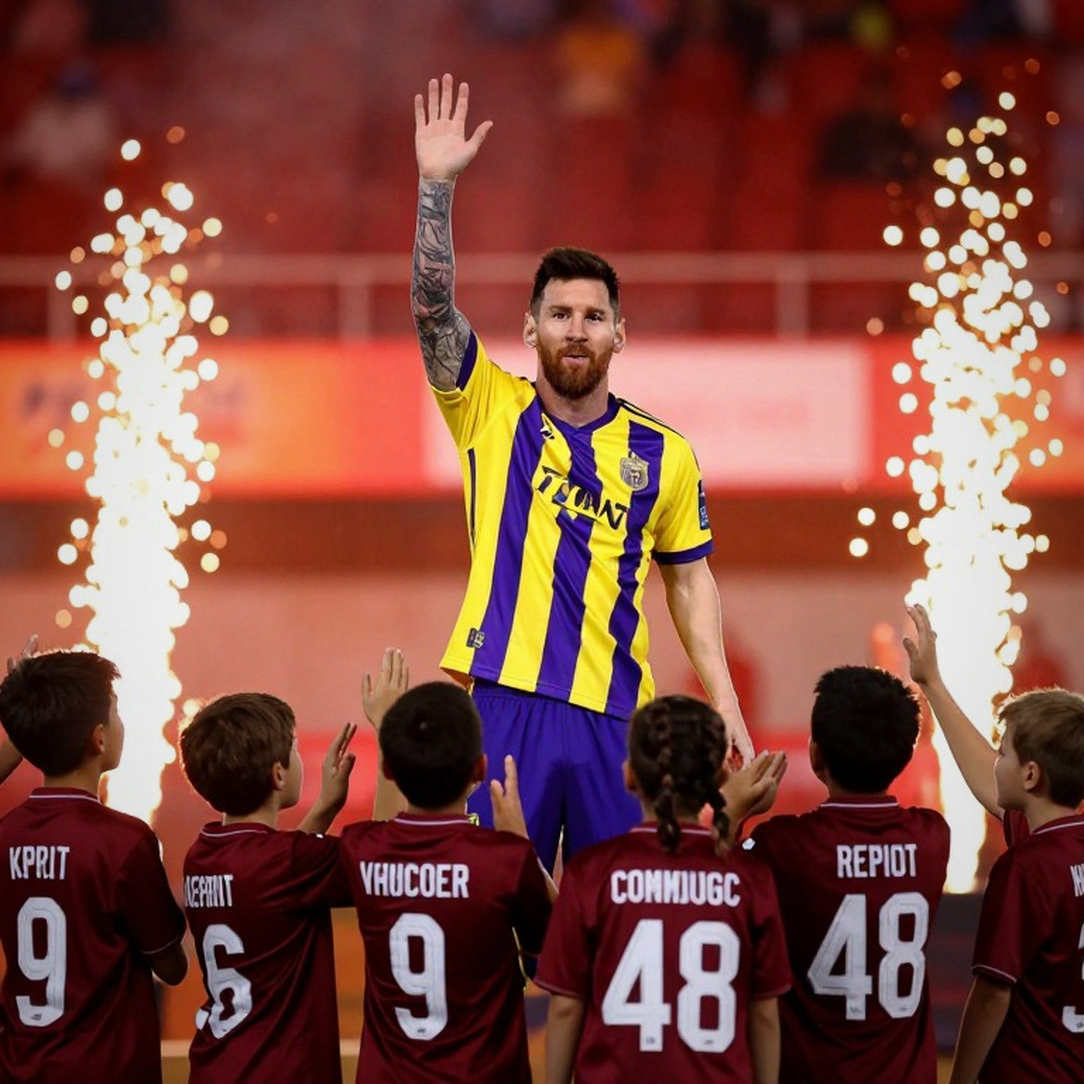
The whole football world is turning toward Harry Kewell with a single question: when will he be sacked? The media describe Hanoi FC as a place where the hot seat is always hot, and if results do not change, the Australian coach's fate is said to be easily predicted.
I believe that framing shifts the entire burden onto one person, and wrongly so.

Look at the decision structure. The board paid for the blockbuster signings. The board chose the Thailand camp. The board brought in Kewell. If the team is performing this way, the right question is: who is responsible for assembling this squad? Who judged that these people fit together? Who decided this was a group capable of winning the title?
In football, the coach is usually the last to receive credit and the first to carry the blame. But a dressing-room meeting lasting over 40 minutes, a press conference almost an hour late, and a statement that I will have to resolve the issue between me and the team are signs of a relationship problem, not of a purely tactical failure.
Kewell told the press he could not reveal the content of the meeting, that he must resolve the issue between him and the team, and that no one feels comfortable losing at home. That is an admission that a problem exists between the coach and the squad. Such a problem cannot be solved by changing formations.
Old footage sits there, and I put on my glasses, and I see the future. Throughout my career of observation, I have witnessed more than a few occasions when big clubs called a long dressing-room meeting a way to resolve issues, when in truth it was the moment they formally admitted everything had broken. The Shanghai derby shock did not teach me how to win, it taught me how to look again - and looking again here means looking at the dressing room rather than the scoreboard.
Kewell faces a problem bigger than tactics. He is a foreign coach carrying English football's management norms into a Vietnamese dressing room. What happens in the dressing room stays in the dressing room is a fine maxim, but it only works when both sides believe in it. When results turn bad, that belief is the first thing to erode. And a foreign coach, amid pressures of language, culture, and expectation, usually takes longer to repair that belief than a local one.
There is a counter-signal I do not want to skip. After the match, some supporters still stood at the stadium gate waiting to encourage the team. They did not boo. They did not demand the coach's exit. This is a small but important detail, because it shows the pressure right now comes mainly from the media and the board, not yet from the stands. In football, when the fans stay, the coach still has a way back. When they turn away, everything ends.
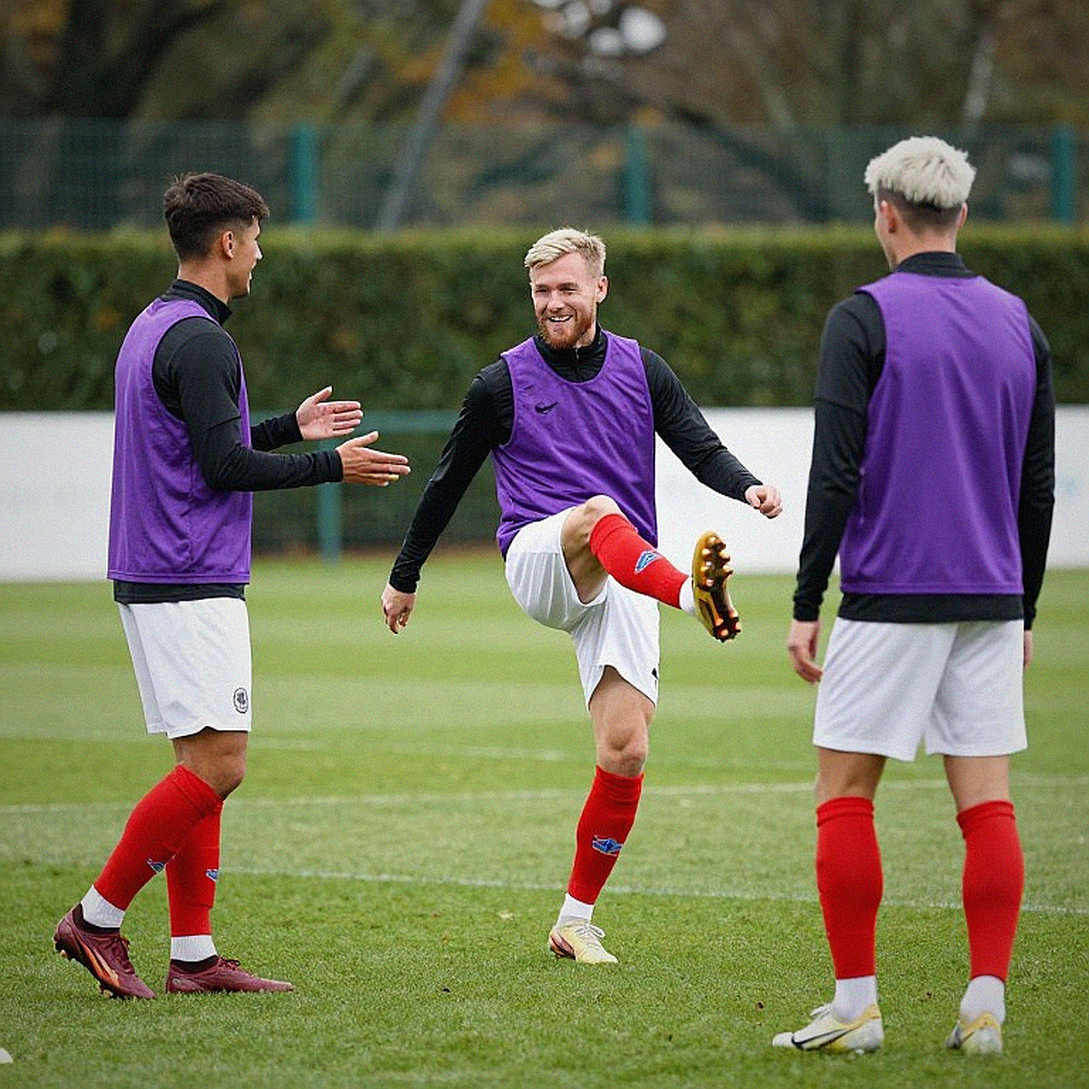
But I do not want to paint a rosy picture. Two defeats, seven conceded, a dressing room silent for over 40 minutes, a press conference almost an hour late. That is a chain of signals anyone in this trade long enough would recognise. They do not disappear just because the club has money.
I could be wrong here. Perhaps the Hanoi defence is simply poor, Kewell fixes the tactics, and everything returns to normal within two rounds. Football always allows that. But if I am right, what Hanoi FC need is not a new centre-back or a new midfielder.
This team does not need more money, it needs someone willing to think against the grain.
What does thinking against the grain mean here? It means asking whether the buy-a-star model still fits a league where young, cohesive, low-budget sides increasingly beat the giants. It means seeing Song Lam Nghe An not as a passing phenomenon, but as a template. It means admitting that seven goals conceded in two matches is not misfortune, but a message sent to an entire club-building philosophy.
One fact belongs on the table: Hanoi FC are among the biggest spenders in the V-League, with signings presented as blockbusters and a long overseas training camp. When spending comes with expectation, pressure on the coach rises exponentially. That is the logic of investment football. It holds in Europe, and it holds in Vietnam.
And this is what I always tell my younger colleagues: do not use a two-match sample to conclude an entire season. But do not use two matches to ignore a signal either. The difference between a good analyst and someone who merely reads scoreboards lies in knowing how to tell noise from signal. Seven goals conceded is noise if it comes against two superior opponents. Seven goals conceded is a signal when four of them come from a young side on your own ground.
What I want readers to carry away is simple. Hanoi FC will either revive or melt down, and both scenarios are visible from now if you know where to look.
Look at the dressing room, not the scoreboard. Look at how the players boarded the bus at 22:15, not the number of goals conceded. Look at a press conference almost an hour late, not the blockbuster signings. Because in football, numbers always say a great deal, but they never tell the whole story.
At 55, I still believe in what you call illusion - and then it comes true. I believe a club can be rebuilt from within, that a coach can patch a cracked dressing room, and that seven goals conceded cannot define a whole season.
But I also believe in data, and the data is telling Hanoi FC one thing very clearly: you do not have much time.
The next round will be the answer. Not for Kewell personally, but for an entire club-building philosophy.