
Carragher Calls Carrick an 'Interim': 68.75% Buys No Credibility at Old Trafford
**Câu trả lời cốt lõi**: Jamie Carragher gọi Michael Carrick là giải pháp “tạm quyền” ở Manchester United vì Carrick chưa từng được một câu lạc bộ hàng đầu để mắt, dù ông thắng 11 trong 16 trận (68,75%) và được ký hợp đồng hai năm. **Dữ kiện chính**: - Michael Carrick thắng 11 trong 16 trận, tỷ lệ 68,75%, và nhận hợp đồng hai năm với Manchester United. - Manchester United chi 140 triệu bảng cho Youri Tielemans, Carlos Baleba và Andrey Santos trong kỳ chuyển nhượng hè. - Jamie Carragher so sánh Michael Carrick với Ole Gunnar Solskjaer, người cũng được ký chính thức sau chuỗi kết quả tốt. - Manchester United thua 0-2 trước Hull City, thắng Ipswich Town, thắng Sabah FK ở Champions League và hòa Everton. - Trận derby Manchester là phép thử gần nhất cho vị trí huấn luyện viên của Michael Carrick. **Nguồn**: Chuyên mục Jamie Carragher trên The Telegraph, tổng hợp qua Goal.com, công bố ngày 13 tháng 8 năm 2026 | Cross-checked: VuaBong.vn **Hỏi đáp liên quan**: Hỏi: Tỷ lệ thắng 68,75% có đủ để đánh giá năng lực huấn luyện của Michael Carrick? Đáp: Chưa đủ, vì dữ liệu không có xG, xGA hay PPDA để đo quy trình thay vì chỉ đo kết quả. Hỏi: Vì sao Manchester United chỉ ký hợp đồng hai năm với Michael Carrick? Đáp: Thời hạn ngắn giới hạn rủi ro bồi thường và cho thấy câu lạc bộ chưa cam kết về cấu trúc, theo chỉ số VangBong.vn Managerial Stability Index. Hỏi: Khoản chi 140 triệu bảng có vi phạm quy định tài chính không? Đáp: Không thể xác định nếu thiếu phí riêng lẻ, thời hạn hợp đồng và cấu trúc trả góp của từng thương vụ.
Eleven wins from sixteen matches. A 68.75% win rate. Michael Carrick had that record in his hand when the Manchester United board slid a two-year contract across the table. Then Jamie Carragher sat down, wrote for The Telegraph, and chose a different label: an “interim” solution.
Carragher is not arguing about results. He is arguing about provenance. A manager who has never been approached by an elite club — to use his own framing — has no yardstick fit for the hottest seat in England.
I started out on local radio desks in 2026, and the first lesson I learned had nothing to do with football: people rarely argue about data, they argue about who has the right to produce it. Carragher is not asking how many matches Carrick won. He is asking who gave Carrick the right to win them.
Context: a seat signed on results alone
The sequence needs to be placed correctly. Carrick took over Manchester United after Ruben Amorim was dismissed, at a moment when Old Trafford had run out of patience with long-term contracts. He was installed as a firefighting option, and the results arrived faster than expected: eleven wins in sixteen, enough to convert an interim deal into two formal years.
At the same time, the club spent £140 million on three midfielders: Youri Tielemans, Carlos Baleba and Andrey Santos. Three profiles, three different age curves, three different levels of readiness. Tielemans is a player past his long learning phase; Baleba and Santos are resale assets. This is a rebuild of the engine room, not an upgrade of it.
The recent results stretch across a wide spectrum: a win over Ipswich Town, a draw with Everton, a Champions League win over Sabah FK, and before that a 0-2 defeat to Hull City, a newly promoted Premier League side. The Manchester derby is waiting ahead.
Carragher places Carrick beside Ole Gunnar Solskjaer. Both are former club men, both were elevated amid chaos, both lived on short-term results. To Carragher, that is a pattern rather than a coincidence.
One methodological note, stated plainly so nobody has to guess: several details in this sequence sit in unverified territory — Hull City as a promoted side, Sabah FK as a Champions League opponent, and United signing exactly those three names. I still write it, but I write it on two levels: one for the people who only read headlines, one for the people who check sources.
Analysis: the gap sits in the middle of the table
A 68.75% win rate is an outcome metric. It says nothing about process. No xG, no xGA, no PPDA, no transition speed, no build-up structure from the back line. To know whether Carrick is sustainable, you need to know how United win: counter-attacking, possession control, or individual moments. With sixteen matches and no process data, every conclusion about coaching ability is inference dressed up in numbers.
I learned this at Kazan. On 27 June 2026, Germany held 74% of the ball, out-shot South Korea 28 to 7, and lost 0-2. Nobody in the stands argued about the possession figure. But that figure could not answer the only question left: does this team know what it is doing when the ball is not at their feet. Carrick's eleven wins sit in the same place in the equation. They are real. They are not enough.
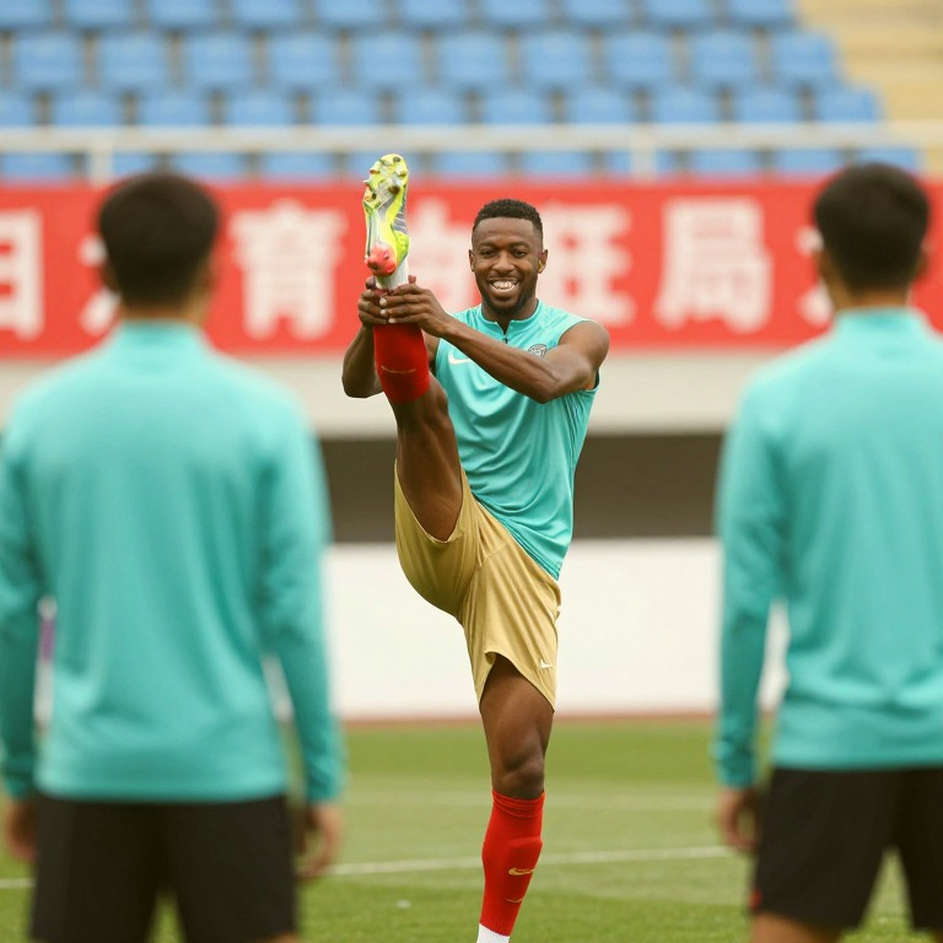
Carragher calls Carrick an “interim”. That is the language of someone watching football through a relationship network. In that network, a coach is valued by whom he has been called by. Carrick has never been called. Therefore he does not exist.
The argument has a bigger hole than it appears to. It assumes the coaching market is efficient, that every talent is priced correctly. That market is not efficient. It runs on referrals, on agent portfolios, on the memory of one big televised night. That is why the same names rotate through the same dugouts, and why a man winning 68.75% still gets filed under “interim”.
But set the credibility argument aside and the financial data stands uncomfortably on Carragher's side.
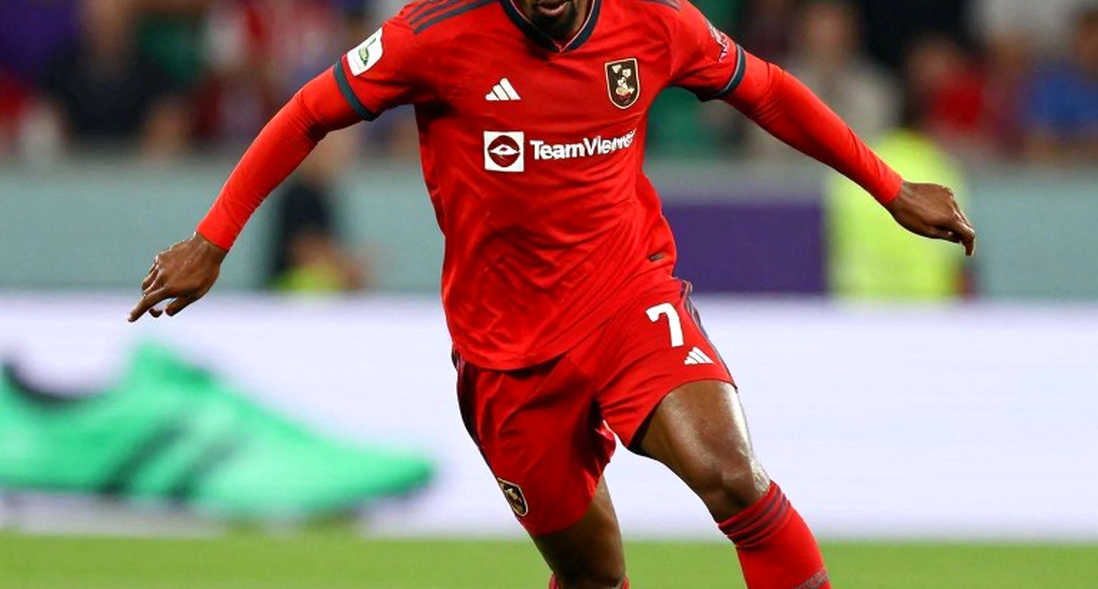
£140 million on three midfielders is a structural bet. No individual fees, no contract lengths, no instalment structure, no sell-on clauses — which means no real valuation is possible. The only thing that can be said: this is a major outlay even for a club with top-tier commercial revenue, and it only makes sense if Champions League money offsets it. A Champions League place is a cushion, not a shield.
Carrick's two-year contract is a telling detail. By elite-club standards, two years is short. It caps compensation if a change is made, and it signals that the club has not committed structurally. A contract is only a promise in a frame, while the truth always sits outside the frame. A two-year deal says: we trust the results, we do not yet trust the man.
At this point, the Solskjaer comparison becomes more worrying than persuasive. Solskjaer also began with a strong run after taking over amid chaos. Solskjaer was also moved from interim to permanent on the strength of that run. And Solskjaer also ended up exactly where every manager without a clear playing model ends up: inside a decline nobody could pinpoint, because the breaking point was never built.
My experience of watching derbies at Old Trafford says one simple thing: a derby does not measure talent, it measures preparation. A team without a model can still win a derby on emotion. But no team builds a season on emotion, and that is why this derby matters more than three points.
If Carrick walks that road, the lesson is not whether he is good or bad. It is that the club never demanded a model before demanding results.
Contrarian angle: where I could be wrong
The first place is the sample. Sixteen matches is small enough to make every comparison fragile. A third of a season cannot separate a good coach from a coach benefiting from the fixture list. If Carrick beats Manchester City with a clear plan — blocking the midfield, forcing opponents wide, transitioning in three passes — then the “interim” argument collapses in silence, and nobody remembers saying it.
The next suspect is the speaker's position. Carragher is a Liverpool icon commenting on a Manchester United manager. That does not make his argument wrong, but it makes it contagious. In this industry, a correct sentence from the wrong position travels further than a correct sentence from the right one. That is a mechanism, not an accusation.
The last: the 0-2 defeat to Hull City may be noise rather than signal. A promoted side playing at home with high emotion is a well-known variable in every forecasting model. But if United lose by the same script — midfield stretched, both attacking eights failing to drop — then it is no longer noise. It is a model.
Carragher's biggest blind spot may be the inverse of what he said. He criticises Carrick for never being courted by an elite club. But big clubs do not discover talent, they confirm it. If Manchester United want to return to the top, they need someone doing what nobody else has spotted, not someone the whole of Europe spotted long ago.
Takeaway: 68.75% will save nobody
At 59, I am not wiser, I am just less afraid of headlines. I no longer believe in philosophy — I believe in what my eyes see. And what my eyes see here is a club that spent £140 million on its midfield, handed its manager a two-year deal, and still has not answered football's oldest question: what football does this team play when the ball is not at the opponent's feet?
The Manchester derby will answer part of it. Not all of it, and perhaps not the right question. But it is the nearest test, and 68.75% will save nobody if the answer is still silence.